It’s a startling statistic: an estimated 70% of cats will experience feline odontoclastic resorptive lesions (FORLs) at some point in their lives, often without their owners even realizing it. This common and painful dental condition silently affects countless felines, leading to significant discomfort and impacting their overall well-being. At Wagging Wheels Mobile Veterinary Services, we understand the profound importance of proactive pet health, especially when it comes to silent conditions like these.
What Exactly Are Feline Resorptive Lesions?
Feline resorptive lesions are a progressive and extremely painful condition where parts of a cat's tooth, most commonly the crown or root, are gradually eroded away by cells called odontoclasts. Imagine having a cavity that keeps growing deeper and deeper, eventually exposing the sensitive pulp of the tooth. These lesions can occur on any tooth but are often found at the gum line. Unlike human cavities caused by bacteria, the exact cause of FORLs in cats isn't fully understood, though genetic factors, diet, and inflammation may play a role. They are irreversible and can cause significant pain, making eating, grooming, and even playing uncomfortable.
The Silent Signs: Recognizing Discomfort in Your Cat
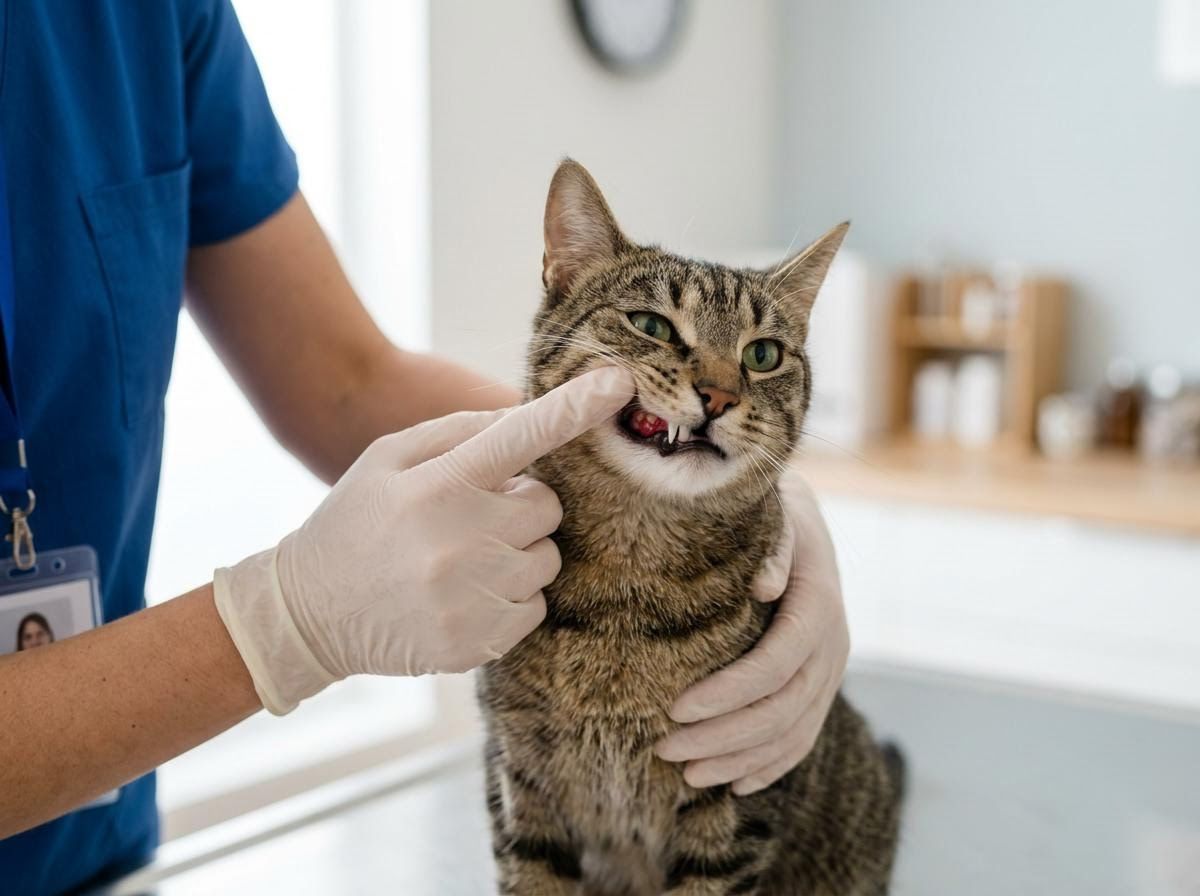
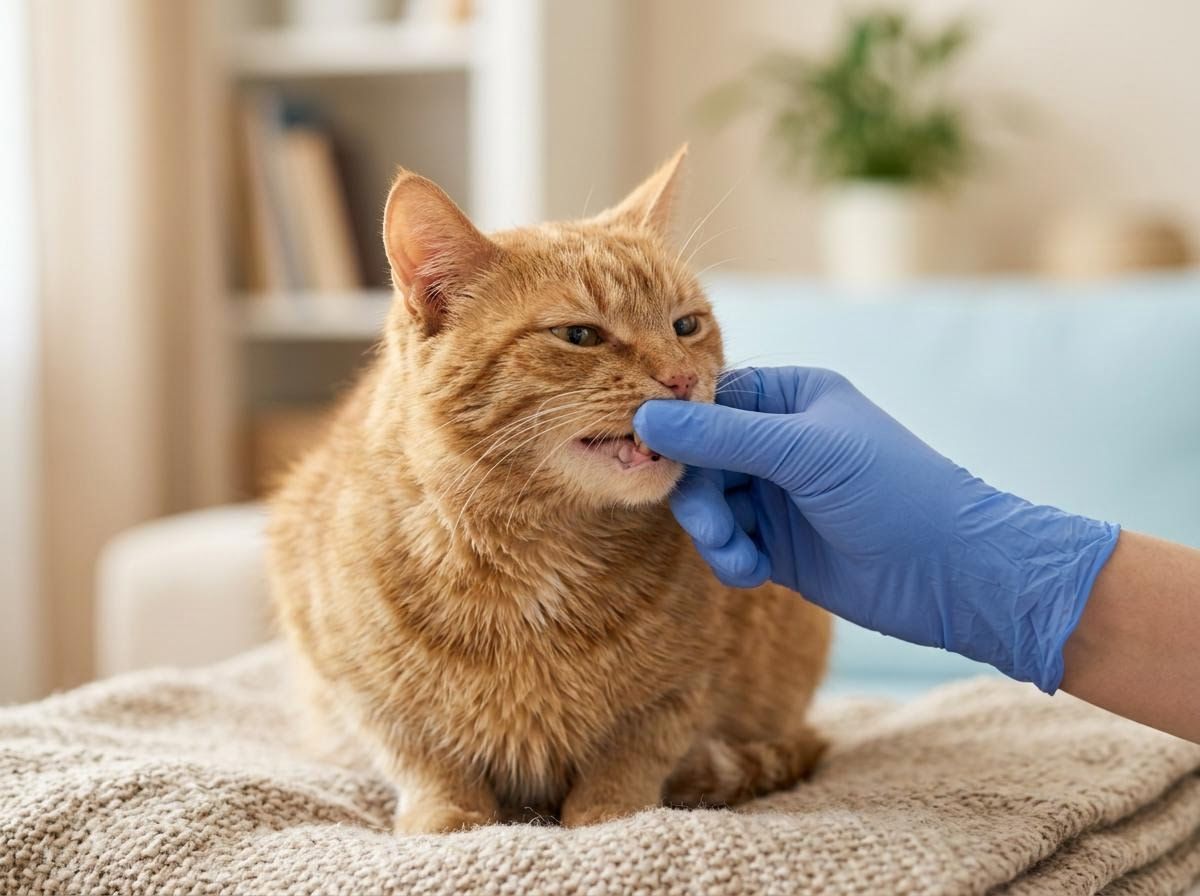
Because cats are masters at hiding pain, it can be incredibly challenging for owners to detect feline resorptive lesions. Many cats will continue to eat even with severe oral pain. Subtle changes in behavior are often the only clues. You might notice a slight reluctance to eat certain foods, dropping food, chewing on one side of their mouth, bad breath, increased salivation, or a change in grooming habits. Some cats may become irritable or withdrawn, while others might chomp down quickly and then pull away from their food bowl. Regular, gentle examination of your cat’s mouth, looking for red, inflamed gums or erosions on the teeth, is important, though a definitive diagnosis often requires professional assessment.
Diagnosis and Treatment: Professional Pet Dental Care is Key
Diagnosing feline resorptive lesions requires more than just a quick look. Since many lesions occur below the gum line, a thorough oral examination under anesthesia, complete with dental X-rays, is essential. X-rays allow veterinary professionals to see the full extent of the damage, including root resorption that wouldn't be visible otherwise. Once diagnosed, the standard and most effective treatment for resorptive lesions is extraction of the affected tooth. While it might sound daunting, removing the painful tooth is crucial for your cat's comfort and long-term health. Regular check-ups are vital for early detection, as early intervention can prevent more widespread issues. For comprehensive dental health, consider the benefits of a cat dental cleaning to maintain overall oral hygiene.
The Importance of Proactive Dental Care
Understanding and addressing feline resorptive lesions is a critical aspect of responsible cat ownership. While this specific condition requires professional intervention, good general dental care plays a vital role in your pet's overall health. Regular check-ups can help identify subtle issues before they become severe. For dogs, a dog dental cleaning is equally important, as is a dog dental cleaning near me for convenient access. If you're concerned about your pet's oral health, scheduling a mobile pet dentist appointment offers a stress-free way to ensure they receive expert care in the comfort of their home. Don't wait for visible signs of pain; often, by then, the problem has progressed significantly.
Ensuring your feline companion's dental health is paramount, especially with conditions as prevalent and painful as feline resorptive lesions. By understanding the signs and advocating for professional dental examinations, you can help prevent unnecessary suffering and improve your cat's quality of life. Wagging Wheels Mobile Veterinary Services is dedicated to providing high-quality, fear-free dental assessments and procedures directly at your home, ensuring a calm and convenient experience for both you and your cherished pet. To learn more about how we can support your pet's oral well-being, we encourage you to book professional pet dental exam to discuss your concerns and explore personalized care options.